Summary
| An electrical panel is essential for safe power distribution, and outdated panels can be unsafe for modern usage. Signs of a failing panel include warm breakers, buzzing sounds, rust, and frequent tripping.Modern homes usually require a 150–200 amp panel to support appliances like HVAC and EV chargers. Limited breaker space or power instability often means the panel needs replacement. Hire a licensed electrician for upgrades to ensure safety, code compliance, and proper installation. |
An electrical panel is the central distribution point for power in a house. Safe operation of every appliance, circuit, and outlet depends on the panel. However, not many homeowners realize that the capacity and condition of the panel directly affect the reliability, safety, and support for modern electrical demands in their homes.
As your electricity usage increases, your existing panel may no longer be adequate. This article shares six reasons you need a licensed electrician for electrical panel replacement.
1. Your Home Has a Fuse Box or an Obsolete Panel Type
Homes built before the 1960s often use fuse boxes, which are impractical for modern electrical usage. A fuse is a single-use device that melts when a circuit is overloaded. Now, this can introduce certain problems. For example, you need to replace the fuse matching the correct amperage, as an incorrect fuse size can bypass safety protection. Unlike breaker panels, fuse boxes have limited shut-off control. It is also difficult to find parts for fuse boxes. You need a modern breaker panel that trips reliably, resets easily, and complies with current electrical safety standards.
2. Your Electrical Panel Is Old or Showing Signs of Wear
The internal components of an electrical panel degrade over time due to heat, load stress, and environmental exposure. Depending on the usage and condition, a panel can have a service life of 25 to 40 years.
The following are the signs of aging panels:
- Corrosion or rust
- Discoloration or scorch marks
- Breakers feel warm to the touch
- Buzzing or crackling
- Burning odors
These signs indicate the following:
- Failing connections
- Deteriorated bus bars
- Internal arcing
3. Circuit Breakers Trip Frequently
A circuit breaker is an automatic electrical switch designed to protect a circuit from damage. It:
- Interrupts excessive current flow during an overload or short circuit
- Prevents fire and damage to equipment
- Resets after tripping
While a circuit breaker is designed to trip occasionally, frequent tripping indicates that the electrical circuit is under strain.
The following are the common causes of frequent circuit breaker tripping:
- Circuits serving too many devices
- Increased electrical demand
- Aging circuit breakers
- An undersized electrical panel
A home electrical panel upgrade allows the distribution of power across more circuits, which reduces stress on individual breakers.
4. Your Panel’s Amperage Is Too Low for Modern Electrical Demand
Electrical panels come with an amperage rating, which defines the maximum electrical current a panel can safely supply at any given time. The 60-amp or 100-amp panels used in older homes are no longer adequate today.
Modern homes typically require electrical panels with an amperage rating ranging from 150 to 200 amps because of the following:
- Central air conditioning
- Electric cooking appliances
- Laundry equipment
- Smart home systems
- EV chargers
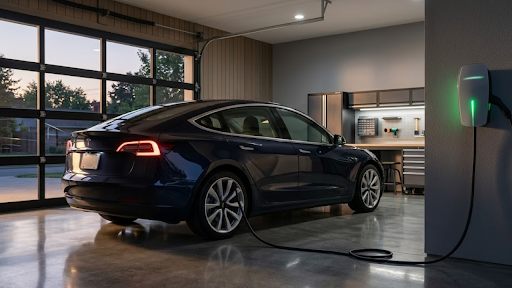
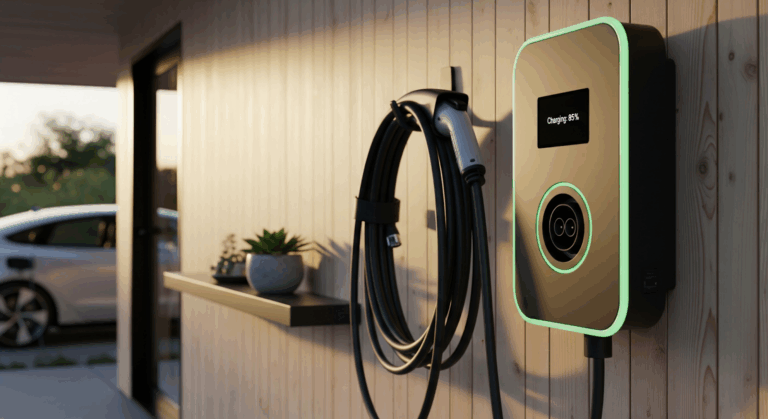
You need a 40–60 amp dedicated circuit to install a Level 2 EV charger. Your 100-amp panel may already support your HVAC and kitchen appliances, but may not support additional major loads like EV charging.
Hire a licensed electrician to calculate whether your existing panel has enough capacity or you need an electrical panel upgrade for EV charger and other modern demands.
5. There Is No Space Left for Additional Circuits
Even when your older electric panel has sufficient amperage, it may lack physical space for new breakers. Expanding or modernizing your electrical system requires electrical panel replacement.
The following situations typically require a new circuit:
- Kitchen or bathroom remodels
- Garage workshops
- HVAC upgrades
- EV chargers
- Hot tubs or saunas
- Finished basements
Adding new circuits requires breaker slots, which may not be possible without modifications. You can install subpanels, but they are not always the best solution. A new, larger panel provides additional breaker spaces.
6. You Experience Flickering Lights or Power Instability
Sometimes starting appliances leads to flickering or dimming lights. Do not dismiss it as a minor annoyance; it indicates voltage drops caused by limited electrical capacity or aging connections within the panel.
Voltage fluctuations can:
- Damage-sensitive electronics
- Reduce the lifespan of appliances
- Indicate uneven power distribution
Call an electrician if the light flickers or dims when:
- Large motors start
- Multiple appliances operate simultaneously
- The panel struggles to balance the load across circuits
Upgrading an electrical panel provides adequate capacity, which improves stability.
Other Situations That May Require Panel Upgrades
You may also need to upgrade your electrical panel when:
- Constructing ADUs (accessory dwelling units)
- Renovating
- Installing solar power
- Replacing gas appliances with electric appliances
- Complying with codes
Benefits of an Electrical Panel Upgrade
Upgrading your electrical panel not only addresses issues with your current electrical system but also offers the following long-term advantages:
- Improved electrical safety
- Reduce fire risk
- Support for modern technology
- Code compliance
- Fewer outages and disruptions
- Increased home value
- Easy future upgrades
- Reduced installation cost for new appliances
Choosing a Licensed Electrician
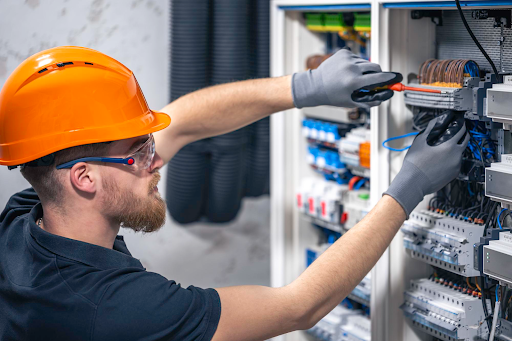
Replacing an electrical panel involves working with high-voltage power and complex wiring. Doing it on your own can also compromise safety systems. That’s why it’s essential to hire a licensed electrician to safely install a new panel.

The following tips help you choose the right electrician:
License and Insurance
A licensed electrician is trained and authorized to perform electrical work after passing certification examinations. Ask for the following when hiring an electrician:
- Proof of licensing
- General liability insurance
- Worker’s compensation coverage
Experience with Panel Upgrade Codes
Your new electrical panel upgrade must meet local electrical codes to prevent fire hazards, electrical shock, and system failure. An experienced electrician ensures:
- The right panel size and amperage
- Proper grounding and bonding
- Correct breaker types (AFCI/GFCI)
- Required working clearances
- Correct circuit labeling
- Complete permits and inspections
Electrical codes evolve over time. Find an electrician who stays up to date with the latest amendments to the California Electrical Code.
Multiple Estimates
Get and compare multiple estimates as the cost of upgrades depends on panel size, service upgrades, permit fees, utility coordination, and the condition of existing wiring.
Do not opt for the lowest price without comparing key details, as this can lead to incomplete work or failed inspections.
Warranty and Follow-Up Support
A new electrical panel is a long-term safety investment. Hire a reliable electrician who stands behind their work with clear warranties and ongoing support. Make sure that the electrician provides:
- Written labor warranty covering workmanship
- Manufacturer warranties for the panel, breakers, and major components
- Clear terms on what is covered and for how long
Final Thoughts
An electrical panel plays an important role in safely powering your home. Outdated or undersized panels become a liability when your electrical demand increases. Just make sure that you hire a licensed electrician who correctly calculates your electrical load, follows local code requirements, and installs a panel that safely supports your home’s current and future power needs.
Contact Renewed Electric Co today for electrical panel replacement, committed to honest and upfront service!
Frequently Asked Questions
How do I know if my electrical panel needs to be upgraded?
The following signs indicate that you may need a panel upgrade:
- Breakers tripping frequently
- Lights flickering
- 25+ years old panel
- Burning smells
- Warm breakers
- Rust
- Lack of space for new circuits
Adding new major appliances, such as solar or an EV charger, may require a panel upgrade.
What size electrical panel does a modern home need?
A modern home typically requires a 150-amp or 200-amp panel. If you have central air, electric appliances, a solar system, or an EV charger, you need a 200-amp panel.
Is upgrading an electrical panel required by code?
California Electrical Code (CEC) does not automatically require an electrical panel upgrade. However, CEC requires you to upgrade your panel when your existing panel is unsafe, obsolete, or unable to support new electrical loads.
Can I add new appliances or an EV charger without upgrading my panel?
No, you don’t—provided your panel has available breaker space and sufficient capacity. However, older panels cannot support Level 2 EV chargers, which typically require a dedicated 40–60-amp circuit.
How long does an electrical panel upgrade take, and will my power be shut off during the upgrade?
It usually takes one full day to complete most electrical panel upgrades. Your power will typically be shut off for 4 to 8 hours.