
Key Takeaways
- Electrical panels typically last 25 to 40 years, but older panels may struggle to support the power demands of modern homes.
- Frequent breaker trips, flickering lights, burning smells, or a fuse box are strong warning signs that your electrical panel may need an upgrade.
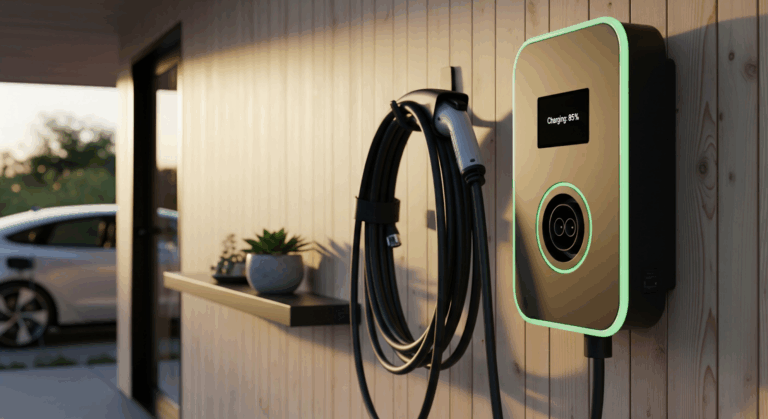
- Upgrading to a 200-amp panel provides the capacity needed for modern appliances, EV chargers, HVAC systems, and future electrical upgrades.
- A modern electrical panel significantly improves home safety, reliability, and protection against electrical fires caused by overloaded circuits.
- The cost to upgrade an electrical panel usually ranges from $1,500 to $4,000+, depending on labor, permits, wiring updates, and service upgrades.
Electrical malfunctions cause about 13% of U.S. home structure fires, ranking as the second leading cause behind cooking equipment, per NFPA data, and outdated panels are often the culprit.
Panels typically last 25–40 years, depending on brand, load, and maintenance. Homes over 25 years old often run 60-amp or 100-amp service that’s overwhelmed by today’s demands. Flat-screen TVs, smart devices, home offices, and electric vehicles all draw power continuously.
If your home is more than 25 years old, your electrical panel may already be struggling to keep up with modern power demands.
This guide explains when to upgrade your electrical panel, including common triggers such as code violations, increased electrical loads, or insurance requirements. It also covers warning signs such as frequent breaker trips or rust, what permits you may need, and the typical upgrade costs.
What Is an Electrical Panel (Breaker Box / Load Center) and Why It Matters
Your electrical panel, also called a breaker box or load center, is the main control hub of your home’s electrical system.
Power from the utility company enters your home through the electric meter. It then flows into the panel. From there, the panel distributes electricity to different branch circuits across the house.
Most panels feed 20–40 circuits. Breakers are usually rated between 15 and 50 amps.
Core Functions
- Power distribution
- The panel splits incoming electrical service and sends power to lights, outlets, appliances, and HVAC systems.
- Most homes use 120V circuits for lights and outlets.
- Large appliances run on 240V circuits.
- Circuit protection
- Each circuit has a breaker. The breaker trips if the current exceeds safe limits.
- For example, 15-amp breakers protect lighting circuits.
- 30–50 amp breakers protect large appliances like dryers or ranges.
- Main safety shutoff
- The main breaker can shut off electricity to the entire house.
- This is useful during emergencies or electrical repairs.
- Modern safety protection
- Newer panels may include GFCI breakers. These reduce shock risks.
- They may also include AFCI breakers. These detect dangerous electrical arcs that can start fires.
- Load management
- The panel controls how much electricity your home can handle.
- Older homes may have 60-amp or 100-amp service. Most modern homes use 200-amp service.
Older panels may struggle with modern loads. Examples include EV chargers (40–80 amps), heat pumps, induction stoves, and solar systems. In many cases, outdated panels also fail inspections or insurance requirements.
When Should You Upgrade Your Home’s Electrical Panel?
Electrical panels are built to last. Most panels have a lifespan of 25 to 40 years. But electrical demand changes much faster than hardware. A panel that was perfectly adequate when it was installed may now be dangerously overloaded.
There are several clear warning signs that it may be time to upgrade your home’s electrical panel.
Frequent Breaker Trips
If your breakers trip on a regular basis, your panel is likely overloaded. An occasional trip is normal. Repeated trips from ordinary household use are a sign that your panel cannot handle your current power demands. Running the dishwasher, the dryer, and the air conditioner at the same time should not cause your kitchen lights to flicker off.
Flickering or Dimming Lights
Lights that dim when you run an appliance or flicker without explanation are another red flag. This often indicates that your circuits are drawing more power than the system can safely deliver. The problem tends to get worse over time as more devices are added to the home.
Burning Smell or Heat Around the Panel
A burning smell near your electrical panel is a serious safety warning. Heat coming from the panel box itself is equally concerning. Both can indicate arcing, overheating, or melted wiring inside the panel. If you notice either of these signs, contact a licensed electrician immediately. Do not wait.
Rust, Corrosion, or Scorched Wiring
Moisture inside an electrical panel can cause rust and corrosion on the breakers and wiring. Scorched or discolored wiring indicates past overheating. Both conditions can seriously compromise the safety of the panel and require professional evaluation right away.
Your Home Still Uses a Fuse Box
A fuse box simply cannot safely support the electrical loads that modern homes require. If you still have one, upgrading to a modern breaker panel is not optional. It is a matter of safety. Many insurance companies will also charge higher premiums or even refuse coverage for homes with fuse boxes.
You’re Planning a Major Home Upgrade
Some home improvements require more electrical capacity than your current panel can provide. Panel upgradation is often a required first step before you can safely install any of the following:
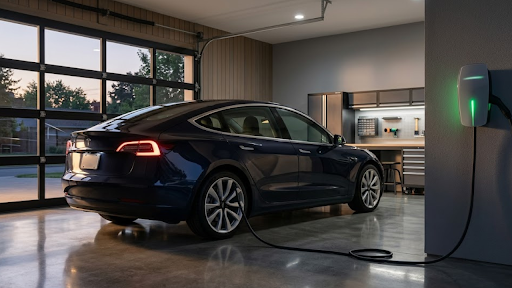
- EV chargers, which require a dedicated 240-volt circuit
- Solar panels, which need a connection point at your main panel
- Heat pumps and central air conditioning systems
- Large kitchen appliances such as double ovens or induction ranges
- Home additions or finished basements and garage conversions
Why Upgrading Your Electrical Panel Is Important
The benefits of upgrading an electrical panel go far beyond simply having more circuits. A modern panel improves nearly every aspect of your home’s electrical performance and safety.
Improved Electrical Safety
Old or overloaded panels are among the most common contributors to residential electrical fires. Modern panels are built with current safety standards in mind. Upgrading your panel reduces the risk of arcing, overheating, and fire significantly.
Higher Electrical Capacity
Modern homes typically require 200-amp service to support high-demand devices comfortably. Many older homes were wired for only 60 or 100 amps. Upgrading gives your household the electrical capacity it actually needs, without constantly tripping breakers or stressing the system.
Greater Reliability
Nuisance breaker trips and unexplained power disruptions are frustrating and can also damage sensitive electronics. An upgraded panel delivers stable, consistent power to every circuit in the home. Reliability alone makes the cost to upgrade an electric panel worth it for many homeowners.
Preparing Your Home for Future Technology
The shift toward electrification is accelerating. More homeowners are installing EV chargers, solar systems, battery backup units, and smart home technology every year. An upgraded panel prepares your home for all of it, without requiring another major upgrade a few years down the road.
Increased Property Value
Buyers and their inspectors notice outdated panels, and they often negotiate lower offers because of them. An upgraded panel can improve your resale value and help your home pass inspection more easily. It signals that the home has been maintained with care.
Electrical Panel Upgrade Cost (Detailed Breakdown)
One of the most common questions homeowners ask is: how much does it cost to upgrade an electrical panel? The honest answer is that costs vary based on several factors, but here is a thorough breakdown so you know what to expect.
| Cost Component | Typical Price Range | What It Covers |
| Electrical Panel (Breaker Box) | $250 – $800 | The main breaker panel that distributes electricity throughout the home. |
| Circuit Breakers | $15 – $40 per breaker | Individual breakers installed for each electrical circuit. |
| Labor (Licensed Electrician) | $1,000 – $3,000 | Removing the old panel, installing the new panel, reconnecting circuits, and testing the system. |
| Permits and Inspections | $50 – $500 | Required permits and electrical inspections from the local municipality. |
| Electric Meter Base Upgrade | $200 – $500 | Replacement or upgrade of the electric meter base to support higher amperage service. |
| Service Entrance Cable Upgrade | $300 – $1,500 | Upgrading the main cable that connects the utility line to the panel. |
| Panel Relocation | $500 – $2,000 | Moving the panel to a new location to meet electrical code or accessibility requirements. |
| Circuit Rewiring (If Needed) | $500 – $2,500 | Replacing outdated or undersized wiring connected to the panel. |
| Wall or Drywall Repairs | $200 – $800 | Repairing walls opened to access wiring during installation. |
100 Amp vs. 200 Amp Electrical Panels
When considering an electrical panel upgrade, one of the first decisions is whether to install a 100-amp or 200-amp panel. For most modern homes, this is not a close call.
| Feature | 100 Amp Panel | 200 Amp Panel |
| Suitable For | Small older homes | Modern homes |
| EV Charger Support | Usually No | Yes |
| Appliance Capacity | Limited | High |
| Future Upgrades | Limited | Flexible |
| Current Standard | Outdated for many homes | Modern standard |
A 200-amp service is now considered the modern standard for most residential properties. It provides enough capacity for a full range of appliances, an EV charger, and future additions. A 100-amp panel may be sufficient for a small, older home with modest electrical demands, but it leaves very little room to grow.
What Happens During an Electrical Panel Upgrade?
A typical electrical service panel upgrade follows these steps:
- The electrician conducts an electrical inspection and completes a load calculation to determine the right panel for your home.
- A permit is submitted and approved by the local building authority before work begins.
- The utility company is contacted to coordinate a temporary power shutoff.
- Power is shut off to the home, usually early in the morning.
- The old panel is removed, and the new panel is installed, including all new breakers and connections.
- A final inspection is conducted by a building inspector to confirm code compliance.
- Power is restored and the electrician confirms that every circuit is operating correctly.
Why Professional Installation Matters
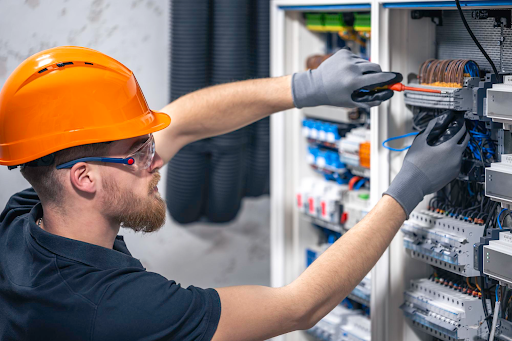
Electrical panel upgrades involve working directly with high-voltage systems that can cause serious injury or death if handled incorrectly. Beyond the safety risk, there are significant legal and practical reasons to work only with licensed electricians.
Panel upgrades must comply with strict local building codes. Improper installation can void your homeowner’s insurance and create long-term safety hazards that are not immediately visible.
If your home is more than 25 years old or if you have noticed any of the warning signs discussed in this blog, schedule a professional evaluation. Or contact Renewed Electric today to schedule a comprehensive electrical inspection.
Frequently Asked Questions
How long does an electrical panel upgrade take?
Most residential electrical panel upgrades take between 8 and 10 hours to complete. Your home will be without power for most of that time. The electrician will restore power and verify all circuits before leaving.
Can a 100-amp panel support an EV charger?
In most cases, a 100-amp panel cannot safely support an EV charger alongside normal household loads. Level 2 EV chargers require a dedicated 240-volt, 50-amp circuit. An upgrade to 200-amp service is typically recommended before EV charger installation.
Do you need permits to upgrade an electrical panel?
Yes. Permits are required for electrical panel upgrades in virtually all jurisdictions. A licensed electrician will pull the permit and arrange the required inspection. Working without a permit can result in fines, failed inspections during a home sale, and insurance complications.
Can solar panels require an electrical panel upgrade?
Yes. Solar panel systems connect directly to your main electrical panel. If your panel lacks the available capacity or the necessary connection points, an upgrade will be required as part of the solar installation process.
How often should electrical panels be replaced?
Electrical panels typically last 25 to 40 years. However, the right time to replace a panel depends more on your home’s current electrical demands than the panel’s age alone. If you are experiencing warning signs, planning major upgrades, or have an older fuse box, evaluation should happen sooner rather than later.