

Table of Contents
- Factors Influencing the Replacement Timeline
- The Step-by-Step Installation Process
- Tips for Homeowners
- Frequently Asked Questions
Summary
- The entire replacement process typically lasts 4 to 8 hours, during which your home will be completely disconnected from the power grid.
- Upgrading to a modern system generally costs between $2,500 and $6,000, depending on whether you choose a 100-amp or 200-amp capacity.
- Modern codes require the installation of AFCI breakers to detect electrical sparking and an 8-foot copper grounding rod for fire prevention.
- Electricians must ensure a 3-foot-by-3-foot clear “working zone” around the panel, which may require relocating the unit if it’s currently obstructed.
- After installation, a professional uses a multimeter to check for “dead shorts” and verify steady voltage before turning your appliances back on.
Like every other mechanical system, electrical panels eventually wear out and are unable to safely handle the power demand of a modern house. However, the panel gives some signs before it becomes a ticking time bomb. Hire an electrical panel contractor if you notice frequent breaker trips and physical signs of heat. Old panels using fuse boxes often lack the modern safety technology required to prevent electrical fires.
Upgrading a panel is a major step, which naturally leads to the question: how long does it take to replace an electrical panel? Depending on certain factors, it can take 4 to 8 hours.
What exactly happens during those hours? Let’s break it down.
Factors Influencing the Replacement Timeline
Existing Condition

Modern panels are much larger to allow better heat dissipation and more room for safety features like AFCI breakers.

Wires cut to fit an old, small box often end up 6 to 12 inches too short to reach the new circuit breakers. Decades of heat buildup inside old panels can damage the plastic insulation on wires, exposing bare copper. A professional cannot safely install a new panel over a mess of wiring.
Trimming, slicing, and extending wires and organizing connections can take 1 to 3 hours.
Size and Capacity
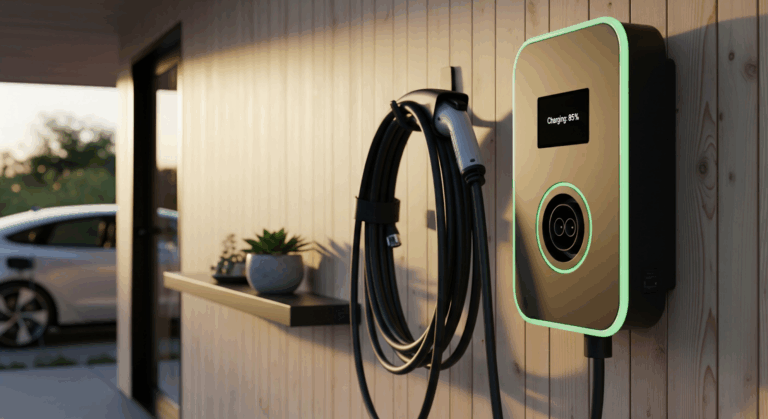
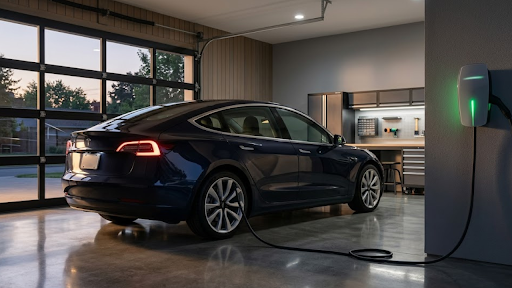
You need to increase capacity to accommodate the increased workload of your modern needs, such as EV chargers, hot tubs, or solar panels, which require more than just upgrading from an old 100-amp panel to a modern 200-amp system. You need to install thicker service wires and larger breakers to handle the new amperage. This can typically take 2 to 4 hours.
Accessibility and Location
Electrical panels in older homes are often installed in utility closets, behind heavy appliances, or in crawlspaces. The professional has to spend time moving storage, working around obstructions, or navigating a tight space where they can’t easily use their tools.
Modern electrical code requires a “working clearance” (typically a 3-foot-by-3-foot clear zone) in front of the panel. If your current location doesn’t meet this code, a licensed pro may need to relocate the panel slightly to ensure it’s legal and safe, which can add significant time to the project. You are looking at an additional 1 to 4 hours.
The “Labeling” Phase

Once all circuits are connected, a quality electrician labels every breaker clearly and accurately, which is crucial for preventing confusion and dangerous mistakes later. Each breaker is identified based on the area or appliance it controls—such as “Kitchen outlets,” “Master bedroom lights,” “HVAC,” or “EV charger.” This can take around 1 to 2 hours.
| Factor | Time (hours) |
| Existing Condition | 1 to 3 |
| Size and Capacity | 2 to 4 |
| Accessibility and Location | 1 to 4 |
| The “Labeling” Phase | 1 to 2 |
The Step-by-Step Installation Process

Utility Coordination
Your licensed electrician coordinates with your local utility provider to pull the meter and physically disconnect your home from the power grid. It is not safe to replace a panel while 240 volts of electricity are live.
The Tear-Down
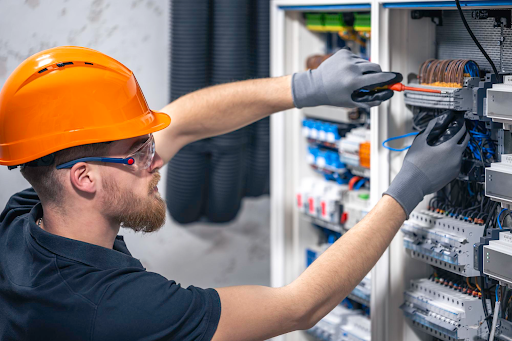
The electrician carefully disconnects each circuit, removes the old breakers, and removes the old metal enclosure from the wall. This is the moment when the electrician bundles and secures dozens of loose, dangling wires.
The “Landing” Phase
The new, larger enclosure is mounted to the wall, and each wire is carefully routed through the new “knockouts” in the box. Every wire must be stripped to the exact length and tightened to a specific torque setting. This is where the electrician performs the splicing and extending.
Mandatory Safety Upgrades
Modern codes require safety features that your old panel likely didn’t have. The electrician must verify or install a grounding system, which is usually a copper rod driven 8 feet into the earth.
California code requires many circuits to be upgraded to arc-fault circuit interrupter (AFCI) breakers. These breakers can detect dangerous “sparking” behind walls that standard breakers miss.
Final Testing and Restoration
The electrician performs a “safety check” once installation is complete. This safety check takes place in two stages: before and after the utility company restores power.
The electrician uses a multimeter in continuity mode, which uses its internal capacity to send a tiny pulse of electricity through the new wiring to check for “dead shorts.” This ensures that no wires were nicked or accidentally grounded during the “Landing Phase.”
Once your utility company reinstalls the meter and “energizes” the service, the electrician checks the main lugs with the multimeter set to AC Voltage, looking for a steady 240 volts.
After that, the electrician flips the Main Breaker to the “ON” position and then energizes each individual branch circuit one by one. The electrician must verify that each safety breaker stays “latched.” This is followed by the labeling phase and final cleanup.
Tips for Homeowners
Your power will be completely disconnected for the majority of the day. Consider the following:
- Unplug sensitive electronics like computers, televisions, and gaming consoles.
- Keep your fridge and freezer doors closed to keep your food safe.
- Make sure that the area around your panel is clear of boxes, shelving, or heavy appliances.
- Walk through the house with the electrician to ensure your essential devices are functioning correctly on the new breakers.
Renewed Electric Co. is a team of licensed electricians offering residential and commercial panel upgrades and panel changeout services in Orange County. Get a free estimate today!
Frequently Asked Questions
How much does it cost to change an electrical panel?
A 100-amp panel can cost between $2,500 and $3,500, and a 200-amp one can cost between $4,000 and $6,000.
When should I change my electrical panel?
Consider replacing your electrical panel if it is old (25 to 40 years). Some of the clearest signs include crackling or buzzing sounds, burning plastic odor, or scorch marks on the breakers.
How long does it take to change or repair an electrical panel?
Repairing a panel can take 1 to 3 hours, and changing it may take 4 to 8 hours.
Will my power be off the entire time?
Yes, the main power will be disconnected at the utility meter, resulting in a total power outage lasting 4 to 8 hours.
Do I need a permit to change an electrical panel in California?
Repairing, upgrading, or replacing your electrical panel alters your electrical system and, therefore, requires a permit to ensure that changes comply with the California Electrical Code.